 VapeWholesaleHub
Latte Ice Barcode and Labelling Requirements — Multi-Warehouse Networks
Treat latte ice as a repeat purchase category rather than a one off buy. That single change in framing alters almost every decision downstream, from carton size to how many strengths you list.
The Specification That Matters
When we write a latte ice specification with a distributor, we fix four things first: the resistance band, the liquid capacity tolerance, the puff count methodology and the packaging master carton. Everything else can flex without changing the customer experience.
| Product category | Disposable |
|---|---|
| Resistance band | 1.0 - 1.2 ohm |
| Capacity tolerance | +/- 2% |
| Puff count method | Declared by capacity |
| Master carton | 240 units |
| Carton weight | 9.1 kg |
| Shelf life | 12 months |
| Storage | 15-25 C, dry, away from direct light |
Pricing and Margin
When you model latte ice pricing, build in a realistic shrink figure. Even a well run line loses a small percentage to damage, expiry and sampling. Pretending that number is zero is how a healthy looking margin turns negative.
Indicative reference points for planning purposes: entry tier from USD 2.11 per unit at 1000 units, mid tier at USD 1.13, and volume tier at USD 0.85 for full container quantities. These figures move with specification, packaging and freight, so treat them as a shape rather than a quote.
Trends Worth Watching
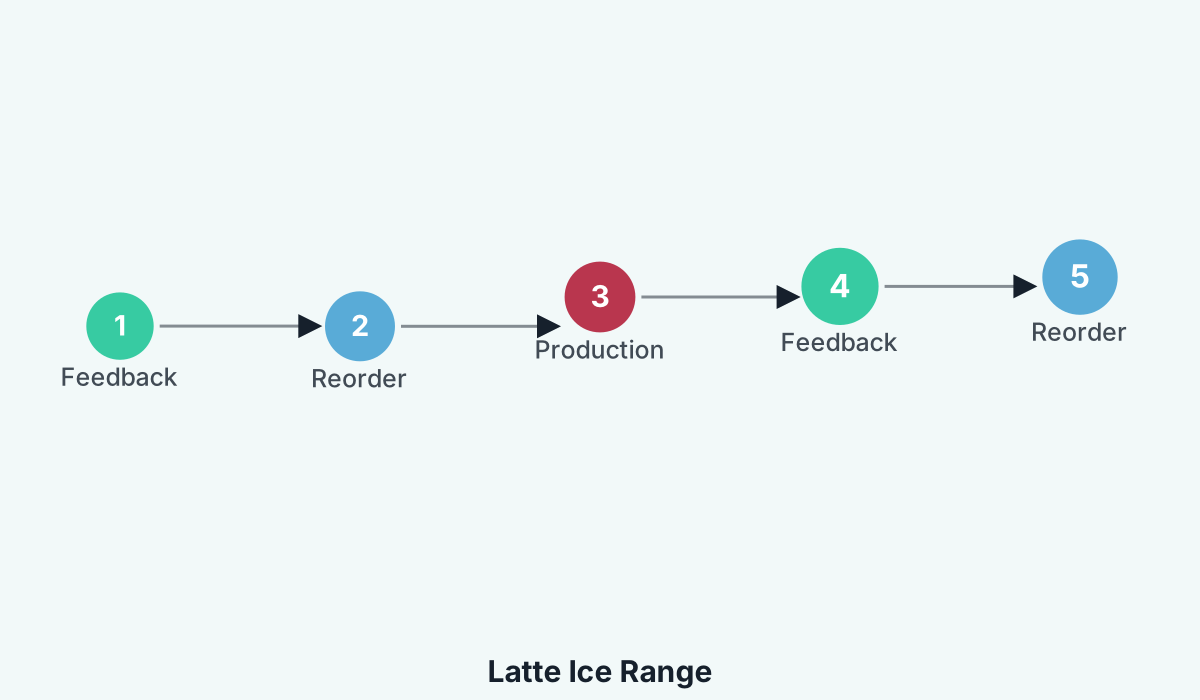
Flavour cycles in latte ice are shortening, which argues for smaller test orders and faster feedback loops rather than large speculative buys on a predicted winner.
Where Latte Ice Sits in the Range
Range decisions for latte ice should start from shelf space, not from a supplier catalogue. Count the facings you actually have, then decide how many of them this line deserves against what it currently earns.
Inspection Before Dispatch
AQL sampling gets a lot of attention, but for latte ice the more useful habit is simply measuring the same three things on every single batch. Trend lines catch problems that pass/fail checks miss.
Incoming inspection for latte ice is not about opening boxes at random. We weigh a sample of cartons, check batch codes against the production record, run a draw resistance measurement, and log the results so that a complaint three months later can be traced to a specific run.
- Confirm the current customs classification with your own broker.
- Keep sealed retained samples from every production batch.
- Plan the switch from air to sea freight before you need it.
- Start with a mixed carton and let your own sell-through decide.
- Ask how the factory measures puff count, then compare like with like.
Practical Checklist
- Check carton dimensions against your freight quote before confirming.
- Ask how the factory measures puff count, then compare like with like.
- Start with a mixed carton and let your own sell-through decide.
- Keep sealed retained samples from every production batch.
- Model landed cost, not ex-works price, when comparing quotes.
- Agree the tolerance band in writing before approving artwork.
Frequently Asked Questions
What does a sample pack usually include?
A typical latte ice sample pack covers the strengths or variants you are most likely to list, packed so you can evaluate them side by side. Tell us which lines you are considering and we will match the pack to that rather than sending a generic selection.
Do you provide compliance documents?
Every shipment leaves with the documentation set relevant to your market, including batch records and test reports where required. Your local rules still determine what you must file, so confirm those with your broker before import.
What if a batch does not match the sample?
Keep the retained samples from the approval stage. If a delivered batch measurably differs, we compare against the retained set and resolve it against the production record. This is why we insist on sealed retained units from every run.
Is there support for in-store material?
Yes. Shelf talkers, counter cards and simple planogram suggestions are available for latte ice ranges that reach a sensible volume. Most retailers find the plain strength and flavour cards do the most work.
Next Step
Send us your current latte ice specification even if you are not planning to move suppliers. A second read of a document you use every month is usually worth the ten minutes.
Related Reading
- Latte Ice Strengths Ladder for a Balanced Cabinet — Container-Scale Orders
- Latte Ice Nicotine Strength Selection for Mixed Cabinets — a Factory Floor View
- Latte Ice Planogram Basics for Wall Displays — First-Time Importers
- Latte Ice Chargeback Prevention for Retail Partners — Tight Margin Categories
- What a Latte Ice Production Slot Really Means — Seasonal Demand Peaks
- Latte Ice Promotional Mechanics That Do Not Erode Value — the Buying Desk