 VapeWholesaleHub
Latte Ice Case Study: From First Pallet to Repeat Container — Duty and Tax Worked Out
Treat latte ice as a repeat purchase category rather than a one off buy. That single change in framing alters almost every decision downstream, from carton size to how many strengths you list.
Merchandising and Listing Tips
Use your latte ice staff training time on the two questions customers actually ask. Anything more detailed gets forgotten by the second shift.
Staff knowledge moves latte ice more than any fixture. A two minute explanation of the difference between this line and the one next to it converts a browsing shopper into a repeat buyer far more reliably than a discount.
Positioning Latte Ice on Your Shelf
Latte Ice rewards retailers who can explain it in one sentence. If your team needs a paragraph, the range is too complicated for the space it occupies.
Range decisions for latte ice should start from shelf space, not from a supplier catalogue. Count the facings you actually have, then decide how many of them this line deserves against what it currently earns.
What Latte Ice Really Costs Landed
When latte ice input costs move, ask which component moved. A generic price increase hides whether you are paying for cells, packaging or simply a busy production calendar.
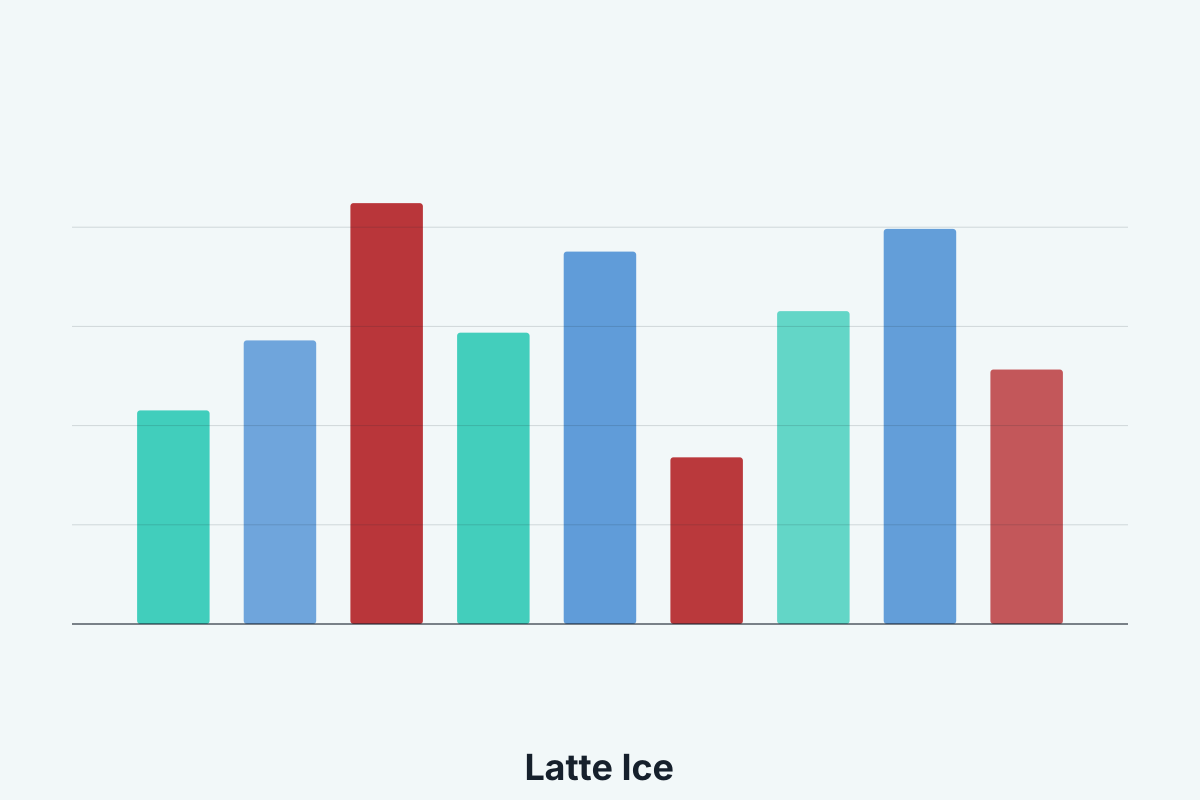
Indicative reference points for planning purposes: entry tier from USD 1.74 per unit at 1000 units, mid tier at USD 0.83, and volume tier at USD 1.47 for full container quantities. These figures move with specification, packaging and freight, so treat them as a shape rather than a quote.
What to Fix Before Approving Latte Ice
Specification sheets are where a latte ice deal is won or quietly lost. Two samples can look and taste the same while using different coil wire, different wicking density and different tolerances on the mouthpiece. Those details decide how the unit behaves in week three rather than minute three.
Ask for the latte ice specification in the same units you intend to measure in. A metric quoted in a form you cannot verify on arrival is not a specification, it is a claim.
| Product category | Accessory |
|---|---|
| Resistance band | 1.2 - 1.4 ohm |
| Capacity tolerance | +/- 2% |
| Puff count method | Declared by capacity |
| Master carton | 400 units |
| Carton weight | 8.8 kg |
| Shelf life | 12 months |
| Storage | 15-25 C, dry, away from direct light |
Inspection Before Dispatch
Train whoever receives latte ice cartons to note anything unusual at the point of unloading. Damage discovered at the dock is a freight claim; damage discovered a week later is your problem.
The cheapest quality control step is a retained sample. Keeping three sealed units from every latte ice batch costs almost nothing and turns any dispute into a simple comparison instead of an argument over photographs.
- Plan the switch from air to sea freight before you need it.
- Rotate stock by batch code rather than by delivery date.
- Ask how the factory measures puff count, then compare like with like.
- Start with a mixed carton and let your own sell-through decide.
- Agree the tolerance band in writing before approving artwork.
Practical Checklist
- Confirm the current customs classification with your own broker.
- Start with a mixed carton and let your own sell-through decide.
- Check carton dimensions against your freight quote before confirming.
- Plan the switch from air to sea freight before you need it.
- Model landed cost, not ex-works price, when comparing quotes.
- Ask how the factory measures puff count, then compare like with like.
Frequently Asked Questions
How do you handle a short shipment?
Cartons are counted and weighed before dispatch and the figures are shared with you. If something is short on arrival, the packing record and the carrier documentation are both available, which keeps the claim straightforward.
Is there a warranty on latte ice?
Manufacturing defects are covered against the retained sample standard. Normal wear, misuse and damage after opening are not. We publish the threshold in the order terms so both sides know exactly what the claim process looks like.
What if I only need a small first order?
That is normal and sensible. A mixed carton lets you test latte ice in your own market before committing to a production run, and the specification you approve at that stage carries through to larger orders unchanged.
How should latte ice be stored?
Cool, dry and out of direct sunlight. Heat and light are the two things that shorten shelf life fastest. Rotate stock by batch code rather than by arrival date, and keep cartons off concrete floors in humid warehouses.
Next Step
Nobody wins when a first order is too large to learn from. Start with a mixed carton, check how it moves in your own market, then scale the lines that earned the shelf space.
Related Reading
- Pricing Latte Ice for Healthy Retail Margins — EU Markets
- Certification Routes for Latte Ice in Different Markets — Busy Buyers
- Reducing Returns on Latte Ice Through Better Specs — Southeast Asia
- Latte Ice Coil Wire and Wicking Choices Compared — Multi-Warehouse Networks
- How to Choose Latte Ice Without Overpaying — North America
- Latte Ice Emissions and Leak Testing Methods — New Distributors