 VapeWholesaleHub
Latte Ice Escalation Path When Something Goes Wrong — Low Minimum Quantities
Most first time importers of latte ice ask the same five questions. This page answers them in the order they usually arrive, with the numbers we quote internally rather than round marketing claims.
Where Latte Ice Sits in the Range
Before anything else, decide which customer you are buying latte ice for. A convenience counter with limited shelf depth needs a tight range that turns quickly, while a specialist shop can carry a deeper ladder of options and educate buyers into higher ticket lines.
Category planning for latte ice works best when you map it against three shopper types: the restocker who already knows what they want, the switcher who wants something stronger, and the explorer who buys on flavour name alone.
What Latte Ice Really Costs Landed
Watch the latte ice price you pay over a year rather than per order. Factories respond well to visible volume, and a quarterly review is usually worth more than a hard negotiation each time.
When latte ice input costs move, ask which component moved. A generic price increase hides whether you are paying for cells, packaging or simply a busy production calendar.
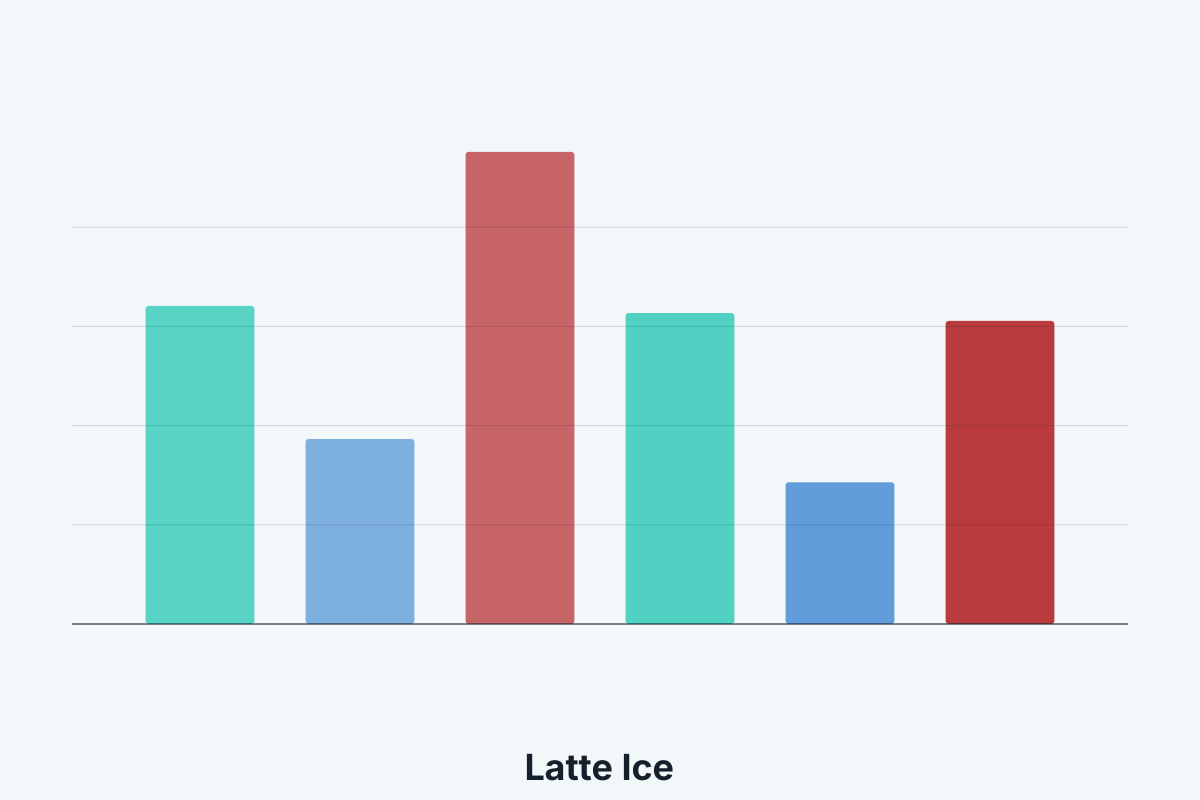
Indicative reference points for planning purposes: entry tier from USD 1.82 per unit at 1000 units, mid tier at USD 0.99, and volume tier at USD 1.48 for full container quantities. These figures move with specification, packaging and freight, so treat them as a shape rather than a quote.
Reading a Latte Ice Spec Sheet
Where possible, tie part of the latte ice payment to inspection against the written spec. It focuses attention on the numbers rather than on the relationship.
When we write a latte ice specification with a distributor, we fix four things first: the resistance band, the liquid capacity tolerance, the puff count methodology and the packaging master carton. Everything else can flex without changing the customer experience.
| Product category | Refillable kit |
|---|---|
| Resistance band | 1.0 - 1.2 ohm |
| Capacity tolerance | +/- 5% |
| Puff count method | Declared by capacity |
| Master carton | 400 units |
| Carton weight | 8.1 kg |
| Shelf life | 18 months |
| Storage | 15-25 C, dry, away from direct light |
Selling Latte Ice at Store Level
Keep the latte ice range tidy. A half empty shelf reads as a dying line, and customers interpret it that way faster than any signage can correct.
Inspection Before Dispatch
The defect rate that matters is the one your customer experiences, not the one the factory reports. Bridge that gap by inspecting the way a customer would open the box, not the way a line worker packs it.
- Keep sealed retained samples from every production batch.
- Write the complaint threshold into the order terms.
- Start with a mixed carton and let your own sell-through decide.
- Model landed cost, not ex-works price, when comparing quotes.
- Agree the tolerance band in writing before approving artwork.
Practical Checklist
- Check carton dimensions against your freight quote before confirming.
- Write the complaint threshold into the order terms.
- Plan the switch from air to sea freight before you need it.
- Start with a mixed carton and let your own sell-through decide.
- Agree the tolerance band in writing before approving artwork.
- Ask how the factory measures puff count, then compare like with like.
Frequently Asked Questions
Do you provide compliance documents?
Every shipment leaves with the documentation set relevant to your market, including batch records and test reports where required. Your local rules still determine what you must file, so confirm those with your broker before import.
How long does a latte ice order take to arrive?
Production typically takes ten to eighteen working days after artwork approval, and transit depends on the method you choose. Air express is fastest, sea freight is cheapest at volume. We confirm both at quotation so there is no surprise later.
What does a sample pack usually include?
A typical latte ice sample pack covers the strengths or variants you are most likely to list, packed so you can evaluate them side by side. Tell us which lines you are considering and we will match the pack to that rather than sending a generic selection.
How should latte ice be stored?
Cool, dry and out of direct sunlight. Heat and light are the two things that shorten shelf life fastest. Rotate stock by batch code rather than by arrival date, and keep cartons off concrete floors in humid warehouses.
How do you handle a short shipment?
Cartons are counted and weighed before dispatch and the figures are shared with you. If something is short on arrival, the packing record and the carrier documentation are both available, which keeps the claim straightforward.
Next Step
If you are comparing options right now, send us the specification you have been quoted elsewhere. A side by side reading usually shows where the price difference actually comes from, and that is the most useful first conversation to have.
Related Reading
- Setting Minimum Order Quantities for Latte Ice — Small Batch Buyers
- Latte Ice Tooling and Moulding Cost Structures — the Buying Desk
- Latte Ice Working With a Local Compliance Partner — Plain Language
- Reducing Returns on Latte Ice Through Better Specs — Seasonal Demand Peaks
- Latte Ice Quality Control: Tests We Run Before Dispatch — Step by Step
- Latte Ice Contract Clauses Worth Negotiating — Cash-and-Carry Formats