 VapeWholesaleHub
Latte Ice Packaging Formats That Reduce Damage Claims — Seasonal Demand Peaks
Buying latte ice wholesale is a logistics problem disguised as a product problem. The unit is small, the margin depends on freight density, and the failure mode shows up weeks after delivery. The notes below come from real orders we have shipped.
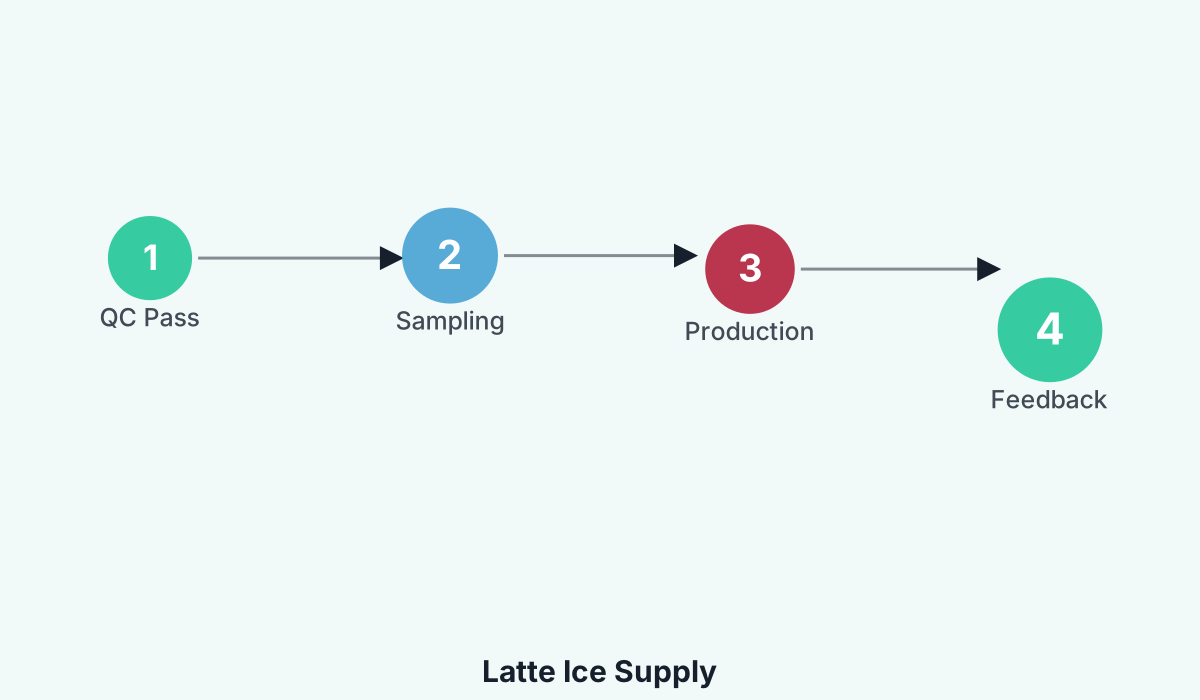
Merchandising and Listing Tips
Use your latte ice staff training time on the two questions customers actually ask. Anything more detailed gets forgotten by the second shift.
Positioning Latte Ice on Your Shelf
Decide early whether latte ice is a traffic driver or a margin line in your store. The answer changes how you price it, where you place it and how hard you push it at the counter.
Getting Latte Ice to Your Warehouse
Freight is the hidden half of latte ice unit economics. A denser master carton can save more per unit than a hard negotiation on factory price, because the saving repeats on every reorder rather than once.
Pricing and Margin
When latte ice input costs move, ask which component moved. A generic price increase hides whether you are paying for cells, packaging or simply a busy production calendar.
When you model latte ice pricing, build in a realistic shrink figure. Even a well run line loses a small percentage to damage, expiry and sampling. Pretending that number is zero is how a healthy looking margin turns negative.
Indicative reference points for planning purposes: entry tier from USD 1.64 per unit at 500 units, mid tier at USD 1.41, and volume tier at USD 1.08 for full container quantities. These figures move with specification, packaging and freight, so treat them as a shape rather than a quote.
How Latte Ice Batches Are Checked
Random checks are fine, but weight the sample towards the start and end of a latte ice production run. Those are where a line is most likely to drift.
- Confirm the current customs classification with your own broker.
- Rotate stock by batch code rather than by delivery date.
- Start with a mixed carton and let your own sell-through decide.
- Plan the switch from air to sea freight before you need it.
- Model landed cost, not ex-works price, when comparing quotes.
Reading a Latte Ice Spec Sheet
Two specifications that matter more than buyers expect: the seal integrity after a drop test and the consistency of the draw from first use to last. Both are measurable before you commit to volume.
When we write a latte ice specification with a distributor, we fix four things first: the resistance band, the liquid capacity tolerance, the puff count methodology and the packaging master carton. Everything else can flex without changing the customer experience.
| Product category | Open system |
|---|---|
| Resistance band | 0.6 - 0.8 ohm |
| Capacity tolerance | +/- 2% |
| Puff count method | Machine cycle 3s on / 27s off |
| Master carton | 100 units |
| Carton weight | 7.4 kg |
| Shelf life | 24 months |
| Storage | 15-25 C, dry, away from direct light |
Practical Checklist
- Check carton dimensions against your freight quote before confirming.
- Rotate stock by batch code rather than by delivery date.
- Confirm the current customs classification with your own broker.
- Plan the switch from air to sea freight before you need it.
- Model landed cost, not ex-works price, when comparing quotes.
- Write the complaint threshold into the order terms.
Frequently Asked Questions
What information do you need to quote?
Target specification, approximate quantity, destination and any packaging requirement. With those four we can usually come back with a costed option the same working day rather than a request for more information.
Can you match an existing product I already sell?
Often yes, provided we can measure it properly. Send a physical sample and we will report back on what can be matched, what will differ slightly, and why. An honest gap is more useful than a vague promise.
Is there a warranty on latte ice?
Manufacturing defects are covered against the retained sample standard. Normal wear, misuse and damage after opening are not. We publish the threshold in the order terms so both sides know exactly what the claim process looks like.
Can the packaging be customised?
Yes. Most latte ice programmes use private label packaging once volumes justify the printing plate. We supply dielines, check your artwork for print issues and hold approved files so reorders need no new setup.
How long does a latte ice order take to arrive?
Production typically takes ten to eighteen working days after artwork approval, and transit depends on the method you choose. Air express is fastest, sea freight is cheapest at volume. We confirm both at quotation so there is no surprise later.
Next Step
Whatever you decide, decide it against numbers you can check on arrival. That single discipline removes most of the risk from importing latte ice.
Related Reading
- Latte Ice Returns Data and What It Is Telling You — North America
- Latte Ice Mouthpiece Geometry and Comfort — Latin America
- Latte Ice Nicotine Strength Selection for Mixed Cabinets — Private Label Programmes
- Latte Ice Warranty Claims Workflow — Seasonal Demand Peaks
- Latte Ice Returns Data and What It Is Telling You — Freight Included
- How to Choose Latte Ice Without Overpaying — Repeat Orders