 VapeWholesaleHub
Setting Minimum Order Quantities for Latte Ice — High Volume Buyers
Buying latte ice wholesale is a logistics problem disguised as a product problem. The unit is small, the margin depends on freight density, and the failure mode shows up weeks after delivery. The notes below come from real orders we have shipped.
Where Latte Ice Sits in the Range
Latte Ice rewards retailers who can explain it in one sentence. If your team needs a paragraph, the range is too complicated for the space it occupies.
What Latte Ice Really Costs Landed
When latte ice input costs move, ask which component moved. A generic price increase hides whether you are paying for cells, packaging or simply a busy production calendar.
Hold a small latte ice buffer in your pricing model for currency movement. A few percent on a container is a real number, and it is easier to plan for than to absorb.
Indicative reference points for planning purposes: entry tier from USD 1.68 per unit at 2000 units, mid tier at USD 1.40, and volume tier at USD 0.77 for full container quantities. These figures move with specification, packaging and freight, so treat them as a shape rather than a quote.
Market Signals
Expect latte ice packaging requirements to keep tightening. Designs that leave room for additional labelling age better than tight layouts that need a full reprint to comply.
The latte ice category is consolidating around suppliers who can document what they ship. Buyers who built that requirement into their process early are now finding it much easier to scale.
Getting Latte Ice to Your Warehouse
Split latte ice shipments across two sailings when the order is large enough. It costs slightly more but removes the risk of a single event wiping out a full quarter of stock.
Track latte ice landed cost per unit as a running number, including duty and local delivery. It is the only figure that tells you whether a supplier change actually improved anything.
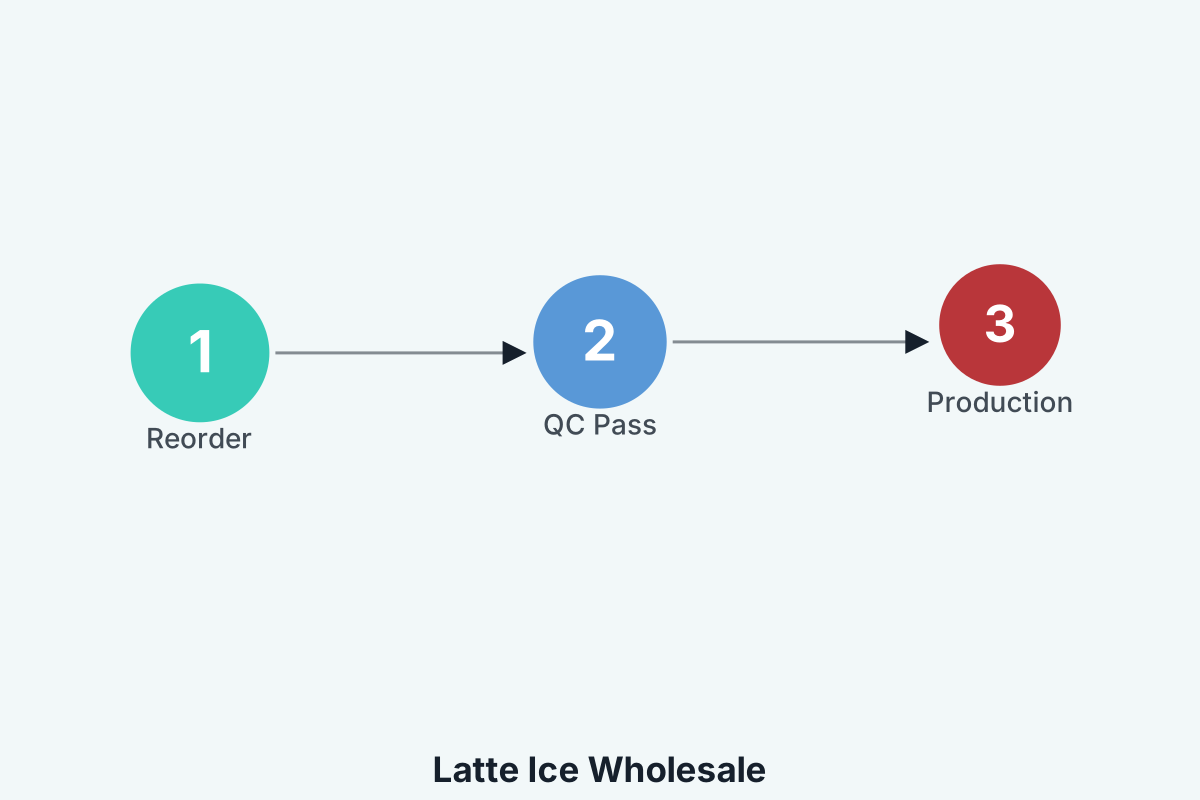
How Latte Ice Batches Are Checked
Keep a photo record of every latte ice approval sample. Written descriptions age badly; a dated photograph next to a delivered unit settles most arguments in seconds.
- Rotate stock by batch code rather than by delivery date.
- Agree the tolerance band in writing before approving artwork.
- Check carton dimensions against your freight quote before confirming.
- Keep sealed retained samples from every production batch.
- Write the complaint threshold into the order terms.
Practical Checklist
- Agree the tolerance band in writing before approving artwork.
- Confirm the current customs classification with your own broker.
- Model landed cost, not ex-works price, when comparing quotes.
- Ask how the factory measures puff count, then compare like with like.
- Keep sealed retained samples from every production batch.
- Plan the switch from air to sea freight before you need it.
Frequently Asked Questions
Do you provide compliance documents?
Every shipment leaves with the documentation set relevant to your market, including batch records and test reports where required. Your local rules still determine what you must file, so confirm those with your broker before import.
How are price changes handled on repeat orders?
{K} pricing is reviewed against input costs and volume rather than adjusted casually. Any change is confirmed in writing before the next order is scheduled, with the reason stated so you can judge it yourself.
How do you handle a short shipment?
Cartons are counted and weighed before dispatch and the figures are shared with you. If something is short on arrival, the packing record and the carrier documentation are both available, which keeps the claim straightforward.
What information do you need to quote?
Target specification, approximate quantity, destination and any packaging requirement. With those four we can usually come back with a costed option the same working day rather than a request for more information.
What if I only need a small first order?
That is normal and sensible. A mixed carton lets you test latte ice in your own market before committing to a production run, and the specification you approve at that stage carries through to larger orders unchanged.
Next Step
If you are comparing options right now, send us the specification you have been quoted elsewhere. A side by side reading usually shows where the price difference actually comes from, and that is the most useful first conversation to have.
Related Reading
- Latte Ice Shelf Rotation for Multi Site Retailers — Container-Scale Orders
- How to Choose Latte Ice Without Overpaying — Plain Language
- Latte Ice Quality Drift: Catching It Before Customers Do — Premium Shelf Programmes
- Latte Ice Factory Visit Preparation Checklist — Small Batch Buyers
- Latte Ice Warranty and After Sales: Setting Expectations — Cash-and-Carry Formats
- Latte Ice Specification Change Control — Three Price Tiers